
![[ai_client_name]](https://terryvehrs.com/wp-content/themes/terryvehrs-pending.com/images/accent-logo-mono.png)

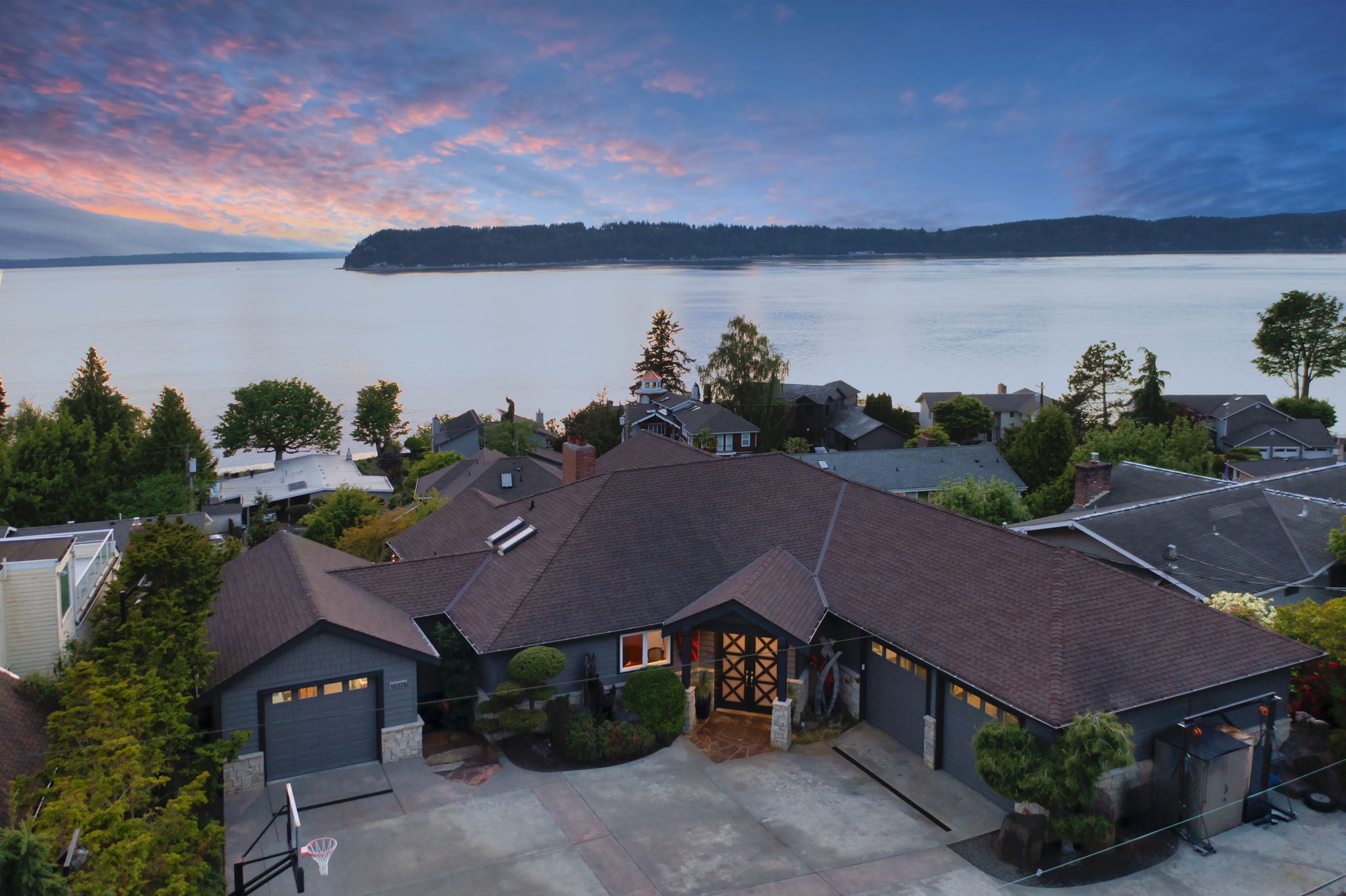
There’s something about a Mukilteo view home that draws you in almost instantly. One clear evening looking across Possession Sound toward Whidbey Island and the Olympics — and suddenly every other house you’ve toured feels like a compromise. I get it. I’ve watched it happen hundreds of times. But before you fall completely in love, there are a few things worth knowing so the home you fall for is actually the right one.
Not All Views Are the Same — and the Price Difference Is Real
When buyers say they want a “view home” in Mukilteo, they usually mean something specific — but what they’re picturing and what’s actually available can vary a lot. Views here generally fall into three categories: unobstructed water (you see the Sound from your main living spaces, full stop), wide partial water (a meaningful sightline, but maybe framed by trees or a neighboring roofline), and peek views (you catch a glimpse, usually from a specific window or at a specific angle).
That distinction matters because it directly affects what you pay — and what the home will be worth when you go to sell. A wide, unobstructed view of Possession Sound with the Olympics behind it on a clear day is genuinely irreplaceable. A peek view is nice, but it’s a very different purchase. When you’re touring, stand in the rooms that matter to you — the kitchen, the living room, the primary suite — and take photos from seated height. That’s what you’ll actually live with.
One more thing worth knowing: in Washington, you don’t automatically have a legal right to keep your view. Unless there’s a recorded view easement, covenant, or HOA rule that specifically protects your sightline, a neighbor can plant trees or add a second story within zoning rules and reduce what you see. If the view is a major reason you’re buying, ask your agent to check title and any CC&Rs for recorded protections before you fall in love with a specific address.
What Mukilteo’s Shoreline Rules Mean for You
Mukilteo’s waterfront is genuinely beautiful — and it’s also regulated. The city’s Shoreline Master Program governs what can be built, modified, or added within the shoreline jurisdiction. This isn’t something to be scared off by, but it is something to understand before you start picturing that deck addition or rooftop terrace.
If you’re considering a home near the water and you have remodel plans in mind, ask specifically whether those plans would trigger shoreline review. Height limits, setback requirements, and public access provisions can all come into play. A quick conversation with the city’s planning department — or a call to Terry — can save you from buying a home based on improvements that turn out to be harder than expected to permit.
The Bluffs Are Beautiful. Here’s What Else They Are.
Many of the best views in Mukilteo come from homes perched on the bluffs above the Sound — and those bluffs are scenic for a reason. They’re also geologically active in a way that matters for homebuyers. Snohomish County designates geologic hazard areas throughout the region, and properties on steep slopes may require a geotechnical evaluation before permits can be issued for new construction or significant changes.
This doesn’t mean you shouldn’t buy a bluff property — some of the most extraordinary homes in the area sit on exactly these lots. It just means you should go in with clear eyes. Have the inspector pay specific attention to drainage, grading, and any signs of slope movement. None of this is complicated — it just needs to happen before you remove your inspection contingency, not after.
Living Near the Water Costs a Little More to Maintain
This is one of those things that buyers sometimes discover after closing, and it’s worth knowing upfront. Salt air, wind, and marine humidity are genuinely hard on a home. Exterior paint, metal hardware, deck railings, window seals, and HVAC components all wear faster near the water than they do inland. It’s not dramatic — it just means your maintenance cadence is a bit more frequent and your annual upkeep budget should be a little higher than you might expect for a similar-sized home away from the coast.
During your inspection, ask the inspector to pay specific attention to paint and flashing condition, hardware corrosion, and any signs of moisture intrusion around windows and doors. These are the things that cost the least to address early and the most to ignore for five years.
Before You Tour: A Few Habits That Pay Off
I always tell buyers of view homes to tour at least twice — once during the day and once closer to evening. Morning light over the water is different from afternoon glare, and you want to experience both before you commit. Pay attention to wind and noise too. Some of the most exposed bluff properties are genuinely breezy year-round, and the ferry traffic noise near the terminal is worth knowing about before move-in day.
Also ask about the listing photos. Professional wide-angle lenses and drone photography can make a partial view look panoramic, and virtual staging can make a room feel larger than it is. If you’re serious about a property, ask to see it without filters — and take your own photos from the chairs you’d actually sit in.
Request the Seller Disclosure Statement (Form 17) and read it carefully — look especially for anything related to slope stability or past water damage. Pull a preliminary title report and check for recorded view easements or covenants. If the lot is on a bluff or steep slope, include a geotechnical contingency. And make sure your inspector specifically looks at marine wear: hardware corrosion, deck flashings, window seals, and HVAC components.
None of this is complicated — it just needs to happen in the right order. That’s what I’m here for.
Frequently Asked Questions
How do I know if I’m paying a fair premium for the view?
The only honest answer is recent comparable sales. Your agent and appraiser should be pulling closed sales with similar view quality — not estimating. The view adjustment needs to be grounded in what buyers actually paid for comparable outlooks in the same market, not a national average or a general percentage. If the comps don’t support the price, that’s worth knowing before you’re under contract.
Can I add a deck or expand the view from my new home?
Maybe — but confirm this before you buy, not after. Projects near the shoreline may trigger review under Mukilteo’s Shoreline Master Program, which can add time, cost, and limitations to what you can build. A quick check with the city’s planning department on a specific property takes 15 minutes and can save a lot of frustration down the road.
What if a neighbor’s trees are already starting to block the view?
This is one of the first things to check. If there’s no recorded view easement or covenant protecting your sightline, your neighbor isn’t legally required to trim their trees or limit their building height. Before you make an offer, look at the adjacent lots, ask about any existing agreements, and search title for recorded protections. If there are none and the view is why you’re buying, that’s an important piece of your decision.
What should I look for in a bluff property inspection?
Beyond the standard inspection, ask your inspector to pay close attention to drainage, grading, and any signs of slope movement or soil creep. For properties on steeper terrain, a geotechnical contingency in your offer gives you the ability to bring in a specialist before you’re fully committed. On the marine wear side, look specifically at hardware corrosion, deck and flashing condition, window seal integrity, and HVAC components — all of which wear faster in a coastal environment.
Is Mukilteo a good long-term investment?
Water views near Seattle have appreciated consistently over time, and Mukilteo’s proximity to Boeing, Paine Field, and the ferry connection to Whidbey Island keeps it in genuine demand. That said, the best investment is still the home you buy at the right price with your eyes open — not the one you overpaid for because the sunset was particularly good the day you toured it. Get a realistic valuation, understand the maintenance picture, and buy the view you can actually see from the couch. That’s the one worth paying for.
Looking for a Mukilteo View Home?
Terry Vehrs has helped buyers navigate the Mukilteo, Edmonds, and Shoreline markets for over 40 years. Whether you’re ready to tour homes or still figuring out what you’re looking for, Terry can walk you through what’s available and help you make a confident offer when the right one appears.
Call or text: 206.799.9500
Terry Vehrs · Windermere Real Estate M2 LLC · Serving Edmonds, Mukilteo & South Snohomish County
Disclaimer: The information contained in this post is believed to be accurate as of the date of publication but is not guaranteed. Market data, home values, community statistics, zoning regulations, school boundaries, and other details are subject to change without notice. All information should be independently reviewed and verified by the reader. This content is intended for informational purposes only and does not constitute legal, financial, or real estate advice. For the most current and property-specific information, please consult directly with Terry Vehrs or the appropriate local, county, and state agencies. Terry Vehrs | Windermere Real Estate M2 LLC | Licensed in Washington State.
